
Lately, we have way more time on our hands than we want to… what to do with it? Well, of course, try every single TikTok, YouTube, and Insta challenge and trend available. One that is taking the social media world by storm is the No-Poo Movement.
If you don’t know what it is, we’re here to help and to warn you about it, unless you have super oily, thick hair. No-Poo stands for “no shampoo,” and it means just that. You know, alternative ways to “wash” your hair with natural ingredients such as baking soda and apple cider vinegar.
How is that possible, you may ask? Short answer: Everything is possible, but is it wise and effective? That’s what we’ll find out on this page.
Also discover why each ingredient works alone, but together, they’re a recipe for dry, brittle hair.
Also Read: Almond Oil: Homemade Mask To Tame Rebellious Strands
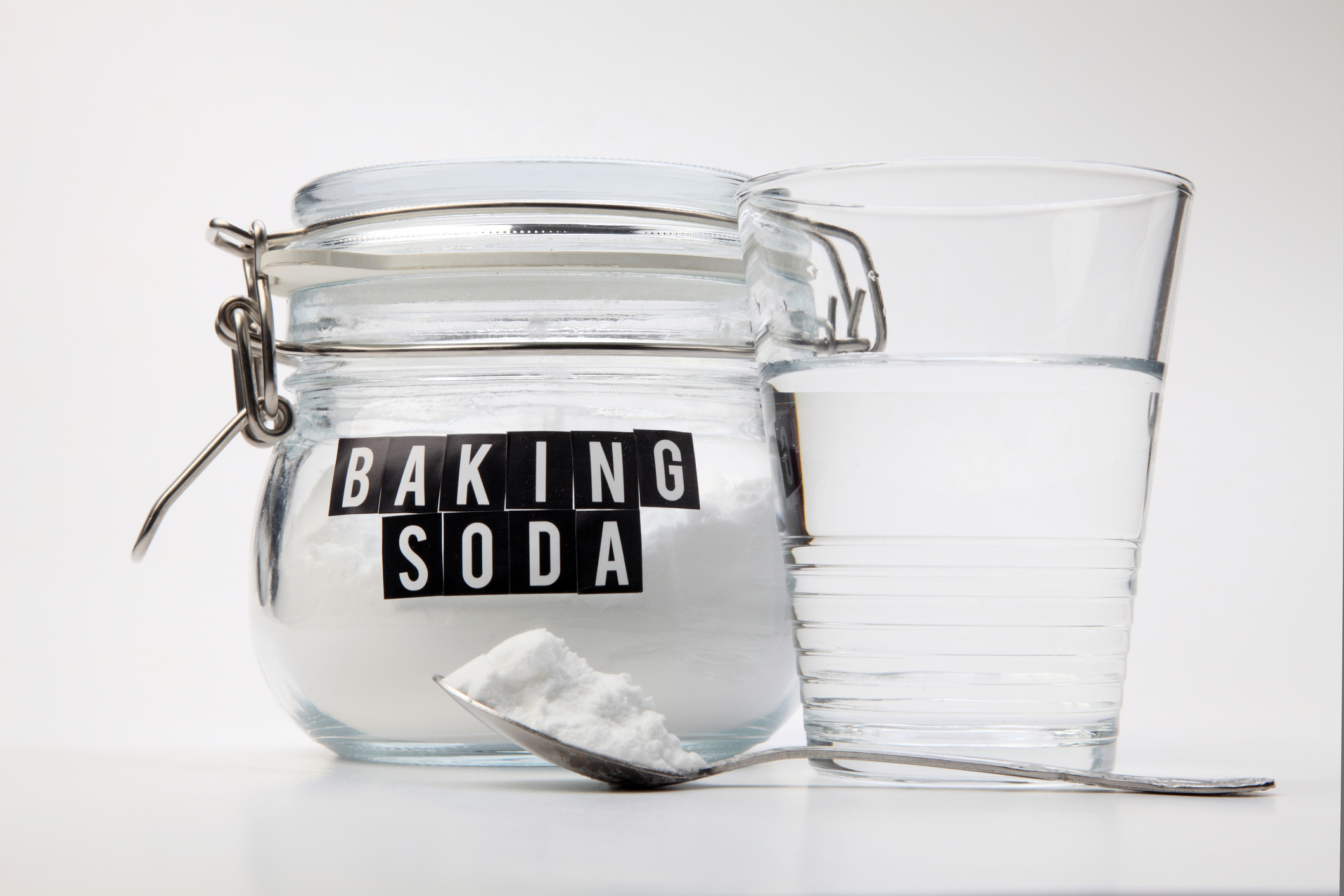
Baking soda is a natural ingredient widely used in home remedies. This is because baking soda has cleansing, antibacterial, and detox properties. This ingredient is central to the No-Poo movement, where you wash your hair with baking soda followed by an apple cider rinse. The claim is that it balances your scalp’s pH, saves water, and leaves hair soft, smooth, and shiny.
Since baking soda is such a harsh ingredient (no wonder is widely used n cleaning products) is needs to be handled with extra care. Meaning, you should never apply it directly onto your scalp or skin, because it will cause irritation and even burns.
Claim 1: Works to Remove Product Buildup
Okay, but so does a clarifying shampoo. Yes, baking soda has natural alkaline properties, but not as many as some carefully crafted shampoo formulas.
Since baking soda is so strong, it will remove product buildup along with all the wonderful natural oils on your scalp. It will also strip your hair shaft, follicles, and cuticle. This can leave them dry, brittle, and damaged.
After using this ingredient, your strands will feel tight, dry, and fragile. If you want to give it a shot, do it only once a week. We believe this method works best for women with thick, oily hair who wash their hair every day.
Apple cider vinegar is more acidic and helps balance your pH, but it should be used alone and well diluted in water. We also recommend using it with a nourishing oil, such as coconut oil.
Claim 2: Dandruff Remedy

Because of its antibacterial properties, baking soda can help treat dandruff, but it’s too harsh. It helps to control the production of the Malassezia fungus, which causes dandruff.
It works as a natural exfoliant, cleansing your scalp while removing the annoying flakes. Again, it must be diluted in water and never applied directly to the scalp, as it can irritate it. Apple cider vinegar also wins this claim because you can apply it directly to the affected area with a cotton ball to ease the condition.
Claim 3: Leaves Your Hair Soft and Shiny

As mentioned before, this is not true, because there are no nourishing elements in baking soda or apple cider vinegar- none! Nourishment gives hair that silky, soft, shiny effect; without it, it’s just dry.
In a nutshell, baking soda is abrasive and can irritate the skin and scalp. It can also break hair and damage the cuticle. This ingredient cannot be used on chemically treated, brittle, or fine hair. People with dry hair who want to try the No-Poo method should consider a cleansing conditioner instead.
Honestly, if the goal is to save water, why not skip washes altogether and make dry shampoo your bestie? So many wonderful, improved formulas are available that you won’t miss showers.


Leave a Reply